

Learn more about previous editions.
Take a tour of the different experiences of the congress!
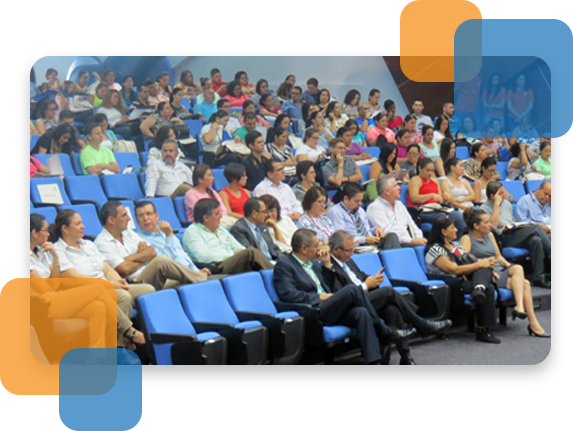
The Costa Rican educational system currently finds itself in a fragile state given its unresolved structural problems, which date back to years prior to 2018. Since then, these problems have been aggravated by distinct forces: union strikes, teacher strikes and the pandemic. The State of Education (Program Estado de la Nación, 2021) catalogues this crisis as the worst in the recent decades, branding it an
educational shut down. This emergency has affected all three levels of the Costa Rican educational system: primary, secondary, and diversified.
As a result of this situation, the weaknesses and needs of the teaching population are not only evident, but are considered a crucial and strategic point in the resurrection of the Costa Rican
educational system.
 Innovative methodologies from an interdisciplinary approach in English.
Virtual activities that generate interest from English students.
New perspectives on the use of technology in teaching English.
Elaboration of interactive online resources for teaching English.
Strategies for academic leveling based on accelerated learning.
Techniques for promoting autonomous learning and collaboration.
Promoting learning communities for educational contexts.
Competency based learning and projects.
Presentation of the eighth report from the Estado de la Educación.
Presentation from CINDE (technical education and employability).
Presentation from the Agencia para el Desarrollo de la Zona Norte.
Importance of the Language Proficiency Exam (Alianza MEP-UCR).
Successful experiences of didactic planning in times of change.
Successful experiences in pedagogical mediation in times of change.
Successful experiences in learning assessment in times of change.
Successful experiences in communication processes in times of change.
Successful experiences with at-risk populations.
Strategies for academic leveling based on accelerated learning.
Techniques for promoting autonomous learning and collaboration.
Formative and summative evaluation processes for decision making and techniques for providing effective feedback.
Promoting learning communities for educational contexts.
Competency based learning and projects.
Innovative methodologies from an interdisciplinary approach in English.
Virtual activities that generate interest from English students.
New perspectives on the use of technology in teaching English.
Elaboration of interactive online resources for teaching English.
Strategies for academic leveling based on accelerated learning.
Techniques for promoting autonomous learning and collaboration.
Promoting learning communities for educational contexts.
Competency based learning and projects.
Presentation of the eighth report from the Estado de la Educación.
Presentation from CINDE (technical education and employability).
Presentation from the Agencia para el Desarrollo de la Zona Norte.
Importance of the Language Proficiency Exam (Alianza MEP-UCR).
Successful experiences of didactic planning in times of change.
Successful experiences in pedagogical mediation in times of change.
Successful experiences in learning assessment in times of change.
Successful experiences in communication processes in times of change.
Successful experiences with at-risk populations.
Strategies for academic leveling based on accelerated learning.
Techniques for promoting autonomous learning and collaboration.
Formative and summative evaluation processes for decision making and techniques for providing effective feedback.
Promoting learning communities for educational contexts.
Competency based learning and projects.
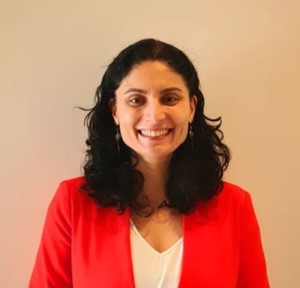
Dr. Patricia López Estrada
General coordinator
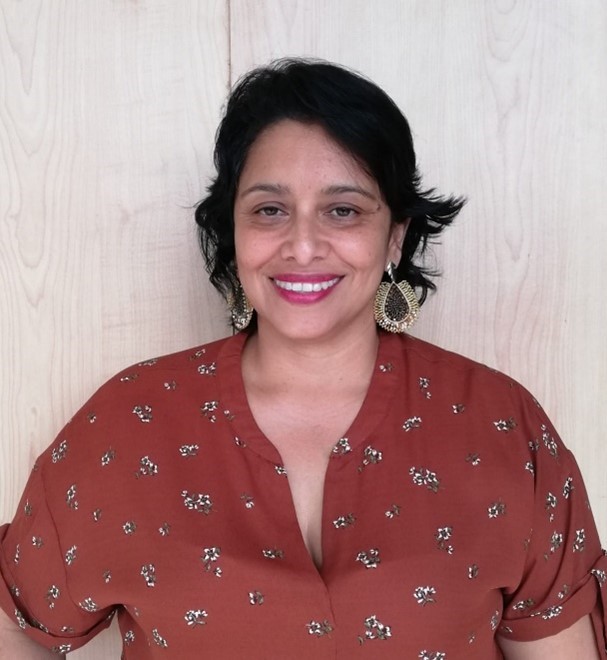
MEd. María Gabriela Castillo Hernández
Academic/Scientific coordinator
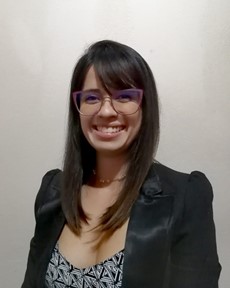
Licda. Ana Yansy Morales Solís
Logistics/Communication coordinator
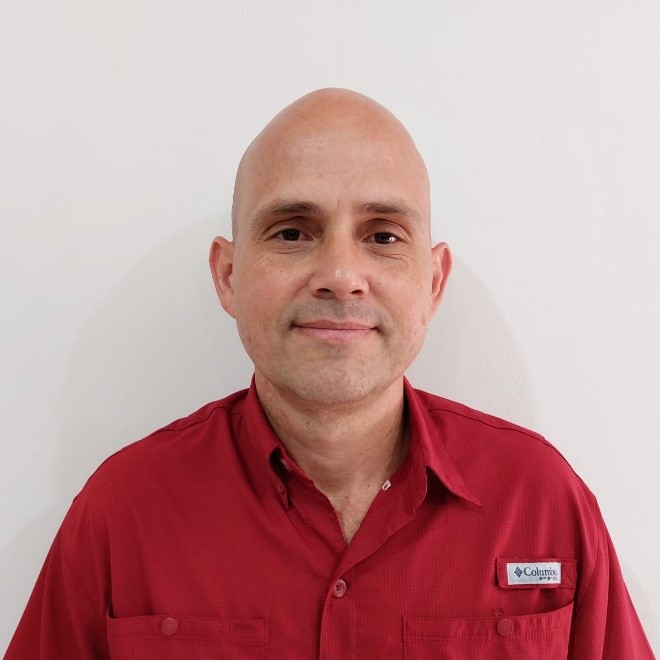
MEd. Eduardo Castro Miranda
Committee member

MEd. José Miguel Vargas Vásquez
Committee member
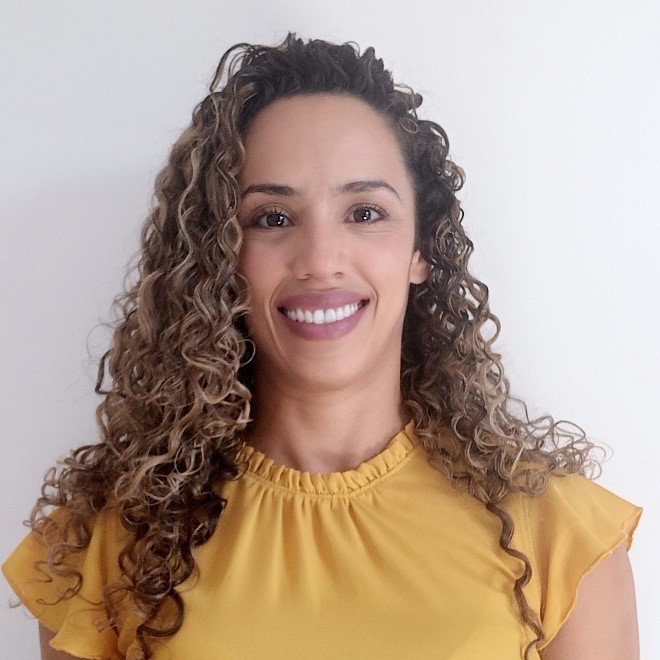
Licda. Joselyn Rojas Rodríguez
Committee member

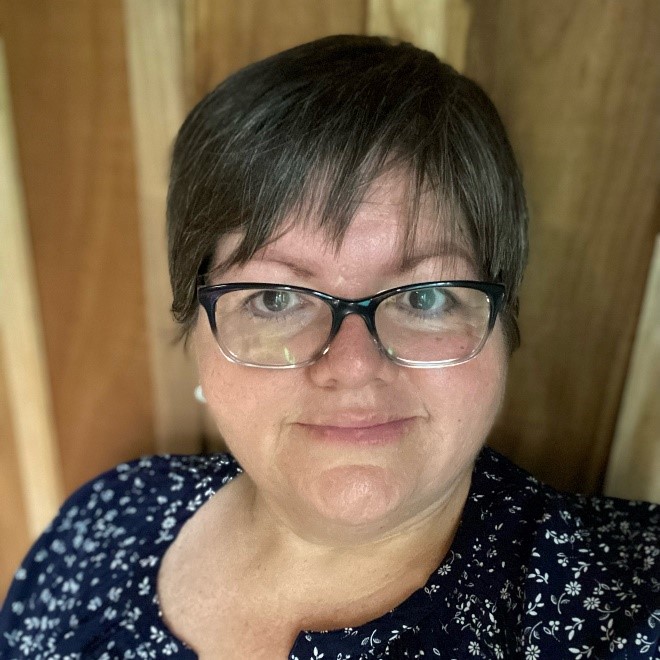
Licda. Patricia Leitón Moya
Committee member

MSc. Ronny Carmona Miranda
Committee member
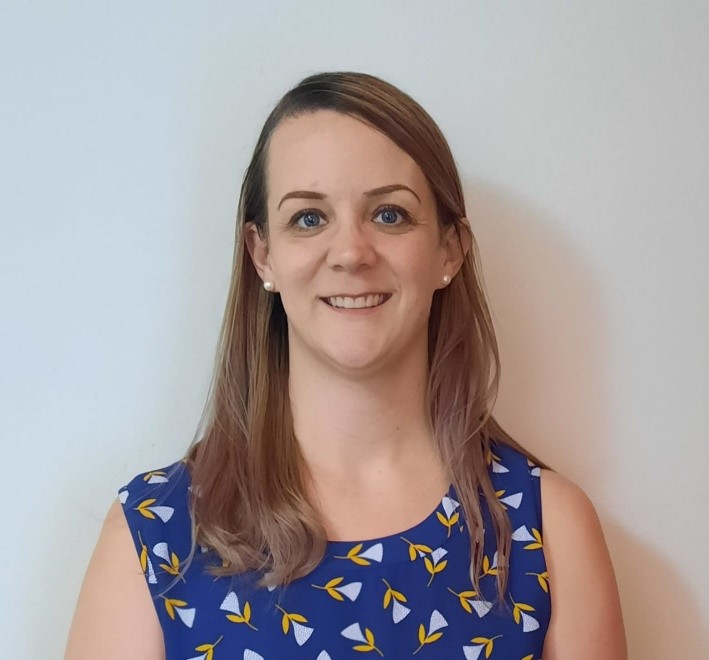
MA. Amanda Rossi Flood
Committee member
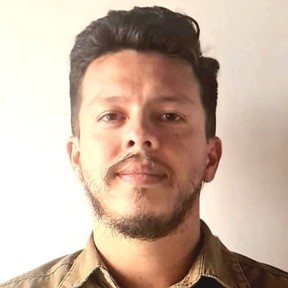
Lic. Ardui Flores Calderón
Committee member

MEd. Gerardo Matamoros Arce
Committee member

Lic. Jorge Chaves Blanco
Committee member

Dipl. María Paula Molina Hernández
Committee member


Licda. Flora González Arias
Committee member
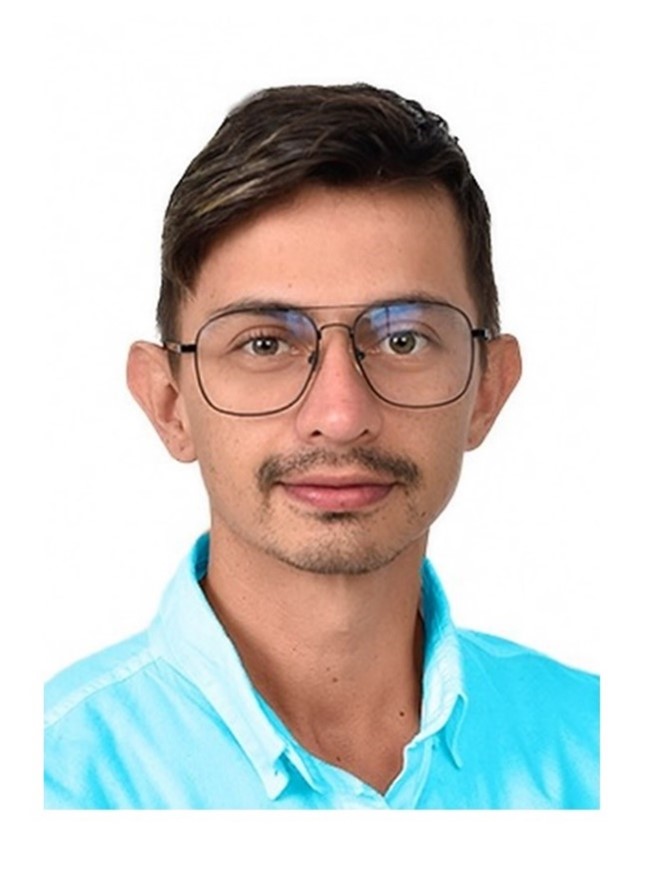
Mag. Pablo Ramírez Alvarado
Committee member

Dr. Roy Gamboa Mena
Committee member




Feel free to contact us at our official email: englishteachingcongress4@gmail.com
IV CONGRESO DE LA ENSEÑANZA DEL INGLÉS
REGIÓN HUETAR NORTE 2022